Land For Sale in Arizona With Water Rights: Your Desert Oasis
land for sale in arizona with water rights

Land For Sale in Arizona With Water Rights: Your Desert Oasis

Unlock the potential of Arizona's landscape with properties offering essential water access for diverse ventures.

Find Your Water-Rich Property

Key Takeaways

  • ✓ Water rights in Arizona are complex and primarily governed by the doctrine of prior appropriation.
  • ✓ Property with established water rights is significantly more valuable and versatile.
  • ✓ Types of water rights include surface water, groundwater, and effluent.
  • ✓ Due diligence on water rights is crucial, often requiring legal and hydrological expertise.

How It Works

1
Define Your Water Needs

Determine the specific volume and type of water rights required for your intended use, whether agricultural, residential, or commercial. This clarity guides your property search effectively.

2
Identify Suitable Properties

Search for land explicitly advertised with water rights or consult with specialized real estate agents. Verify the existence and transferability of these rights early in the process.

3
Conduct Thorough Due Diligence

Engage legal counsel specializing in Arizona water law and a hydrologist to verify the validity, quantity, and priority of the water rights. This step is non-negotiable for a secure investment.

4
Navigate the Acquisition Process

Work with your legal and real estate team to draft purchase agreements that clearly address water rights transfer. Ensure all necessary state and local permits are understood and accounted for.

Understanding Arizona Water Rights: A Foundation for Investment
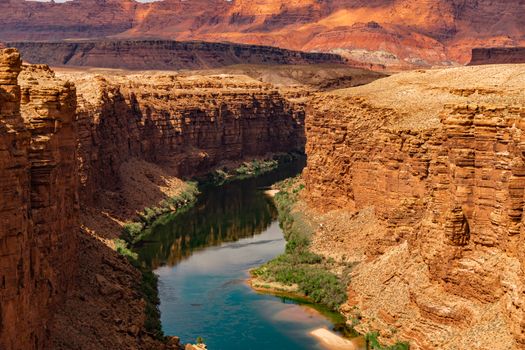
Stunning view of the Grand Canyon's rugged sandstone cliffs and serene river bend under a warm sunset. Photo: Laszlo Magyar / Pexels
Arizona, a state defined by its arid beauty, places immense value on water. For anyone considering land for sale in Arizona with water rights, a deep understanding of the state's complex water law is not just beneficial, it's absolutely essential. Unlike many other states, Arizona operates primarily under the doctrine of prior appropriation, often summarized as "first in time, first in right." This means that the oldest established water rights typically hold precedence over newer ones, especially during times of scarcity. This historical context is critical because it directly impacts the reliability and security of any water rights you acquire. There are several distinct categories of water rights in Arizona. Surface water rights, which pertain to rivers, streams, and lakes, are heavily regulated by the Arizona Department of Water Resources (ADWR). These rights are often adjudicated, meaning their existence and priority have been legally determined. Groundwater rights are equally complex, particularly within designated Active Management Areas (AMAs) like Phoenix, Tucson, Prescott, and Pinal. In AMAs, new groundwater pumping for non-exempt uses is restricted, and existing rights are managed to achieve safe-yield goals. Outside AMAs, groundwater use is less regulated but still subject to reasonable use principles. Effluent, or treated wastewater, represents another valuable and increasingly utilized water source, with specific rights attached to its use and distribution. Investing in land with pre-existing, verifiable water rights offers a significant advantage. It mitigates the immense challenges and costs associated with trying to secure new water allocations, which can be a lengthy, expensive, and often uncertain process. For agricultural ventures, guaranteed water access is the lifeblood of operations. For residential or commercial development, it ensures the viability of future projects. Even for personal use, such as a private ranch or homestead, having secure water rights means self-sufficiency and long-term peace of mind. The value proposition of such properties cannot be overstated; they are a scarce and highly coveted resource in the desert environment. Navigating the intricacies of water rights requires specialized expertise. A standard real estate agent, while knowledgeable about property transactions, may not possess the in-depth understanding of water law necessary to protect your interests. This is why engaging a real estate attorney specializing in Arizona water law and potentially a hydrological consultant is paramount. They can perform the necessary due diligence, verify the validity and transferability of rights, and ensure that all aspects of the water rights are clearly defined and legally transferred with the land. Without this rigorous examination, you risk acquiring land where the promised water rights are either non-existent, insufficient, or encumbered by other claims. Understanding these foundational elements is the first step towards a successful investment in Arizona land with water rights.

Types of Water Rights and Their Implications for Land Ownership
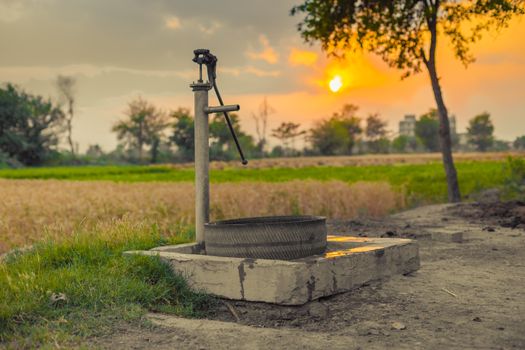
A vintage water pump amidst picturesque fields at sunset, capturing rural tranquility. Photo: Tamhasip Khan / Pexels
When searching for land for sale in Arizona with water rights, it's crucial to differentiate between the various types of water rights, as each carries distinct implications for use, value, and regulatory oversight. The primary categories include surface water rights, groundwater rights, and effluent rights. Each type is governed by specific laws and regulations, impacting how you can utilize the water and the security of your supply. Surface water rights, often the most historically significant, pertain to water flowing in natural channels like rivers and streams. These are largely managed under the prior appropriation doctrine, meaning the right to use surface water is based on the date of its first beneficial use. Older rights, known as senior rights, take precedence over newer, junior rights during periods of low flow. Acquiring land with senior surface water rights can be incredibly valuable, as it offers a more reliable water source. However, these rights are often tied to specific diversion points and uses, and their transferability can be complex, requiring careful legal review and potentially ADWR approval. Verifying the quantity, priority, and historical usage of surface water rights is a critical step in due diligence. Groundwater rights, which involve water extracted from underground aquifers, are subject to different rules depending on the location. Within Arizona's Active Management Areas (AMAs), groundwater pumping is highly regulated to achieve and maintain 'safe-yield' – a balance between groundwater withdrawal and natural recharge. In AMAs, new groundwater uses are severely restricted, making existing groundwater rights or access to an assured water supply (often through municipal providers) extremely valuable. Outside AMAs, groundwater use is generally less regulated, falling under the 'reasonable use' doctrine, which allows landowners to pump groundwater for beneficial use on their property, provided it doesn't unreasonably harm neighbors. However, even outside AMAs, the depth to water and the sustainability of the aquifer are crucial considerations. Properties with established wells and permitted groundwater rights, especially in AMAs, command a premium due to the scarcity of new allocations. Effluent rights, derived from treated wastewater, represent a growing and increasingly important water source in Arizona. As municipalities treat wastewater to a high standard, this 'new' water can be used for various purposes, including agriculture, industrial cooling, and landscape irrigation. Effluent rights are often secured through contracts with wastewater treatment providers or through specific allocations. While not as traditional as surface or groundwater, effluent provides a reliable and often more predictable water source, especially in urbanizing areas where other water sources are stressed. Understanding the source, volume, and contractual terms of effluent rights is key when considering such properties. Each type of water right comes with its own set of legal requirements, potential limitations, and operational considerations. For instance, surface water rights might require maintaining specific diversion structures, while groundwater rights involve well maintenance and pumping costs. Effluent rights depend on the reliability of the treatment plant and the terms of the supply contract. A comprehensive understanding of these distinctions is vital for any prospective buyer, ensuring that the acquired land truly meets their water needs and long-term objectives. This detailed knowledge empowers you to make an informed decision and secure a truly valuable asset in the arid Arizona landscape.

The Due Diligence Checklist: Securing Your Water-Rich Arizona Property
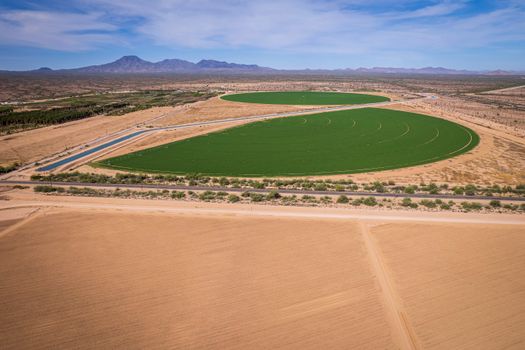
Aerial photograph of lush green circular fields amidst the arid landscape near Stanfield, Arizona. Photo: Mark Stebnicki / Pexels
Acquiring land for sale in Arizona with water rights is a significant investment that demands meticulous due diligence. Skipping or rushing this critical phase can lead to costly surprises, legal disputes, or even render your property unusable for its intended purpose. A comprehensive due diligence checklist is your roadmap to a secure and successful acquisition. The first and most crucial step is to engage a specialized team. This team should, at a minimum, include a real estate attorney with extensive experience in Arizona water law and, for properties relying on groundwater or complex surface water systems, a qualified hydrologist or water resources consultant. Their expertise is invaluable in navigating the labyrinthine legal and scientific aspects of water rights. Your legal counsel will be instrumental in reviewing all existing documentation related to the water rights. This includes historical water right certificates, decrees from water adjudications, well permits, water service agreements, and any records from the Arizona Department of Water Resources (ADWR). They will verify the validity, quantity, and priority of the rights. For surface water, confirming the 'seniority' of the right is paramount, as it determines reliability during drought conditions. For groundwater, especially within Active Management Areas (AMAs), verifying the existence of an 'assured water supply' or specific groundwater withdrawal permits is non-negotiable. The attorney will also investigate any encumbrances, liens, or ongoing disputes related to the water rights that could impact your ownership or use. Concurrently, a hydrologist can provide a scientific assessment of the water source. For groundwater, they can evaluate the aquifer's sustainability, estimate pumping costs, assess water quality, and determine the depth to water. For surface water, they can analyze historical flow data, assess the condition of diversion infrastructure, and confirm the physical availability of the water. Their report will complement the legal review by providing a practical understanding of the water resource. It's not enough to have a legal right to water; you must also confirm that the water is physically present and accessible in the required quantity and quality. Beyond legal and hydrological reviews, consider the practical aspects. Are there existing wells, pumps, or irrigation systems? What is their condition, and what are the associated maintenance costs? Are there any shared well agreements or shared diversion agreements that need to be understood and potentially renegotiated? What are the current and projected costs of water delivery or pumping? Investigate any local ordinances or county regulations that might impact water use on the property, such as restrictions on certain types of agriculture or development. Finally, ensure that the purchase agreement explicitly details the transfer of all associated water rights, including any necessary filings with the ADWR or other state agencies. This rigorous approach to due diligence ensures that your investment in Arizona land with water rights is sound, secure, and poised for long-term success.

Common Pitfalls and Smart Strategies for Buying Land with Water Rights
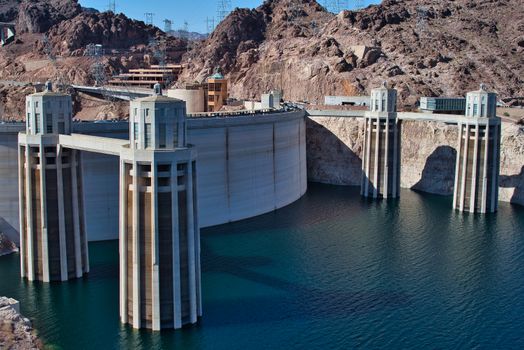
Aerial view of the iconic Hoover Dam spanning the Colorado River, showcasing its architectural grandeur. Photo: Carlin Harris / Pexels
Purchasing land for sale in Arizona with water rights can be an incredibly rewarding investment, but it's also fraught with potential pitfalls if not approached strategically. Being aware of these common mistakes and adopting smart strategies can save you significant time, money, and heartache. One of the most frequent errors is assuming that 'water available' means 'water rights included.' Many properties might have access to municipal water, but this is a service, not a transferable water right tied to the land. Always verify that the water rights are explicitly deeded, permitted, or adjudicated to the property itself, not just a service connection. Another pitfall is underestimating the complexity of Arizona water law. It's not intuitive, and relying solely on a general real estate agent for water rights advice is a major risk. Always engage legal counsel specializing in Arizona water law. **Common Pitfalls:** * **Ignoring the Doctrine of Prior Appropriation:** Not understanding the 'first in time, first in right' principle can lead to acquiring junior rights that are curtailed during droughts. * **Assuming Well Permits Equal Water Rights:** A well permit allows you to drill a well, but it doesn't automatically grant you an unlimited right to pump water, especially in AMAs. * **Neglecting Physical Inspection of Infrastructure:** Wells, pumps, and irrigation systems can be old, inefficient, or in disrepair, leading to unexpected repair or replacement costs. * **Overlooking Water Quality Issues:** Some areas may have groundwater with high mineral content, requiring treatment for certain uses, or even contamination. * **Failing to Verify Transferability:** Not all water rights are easily transferable with the land, and some may require specific procedures or approvals. * **Disregarding Future Regulations:** Water laws are dynamic. Future restrictions or changes in policy could impact your long-term water use. **Smart Strategies:** * **Prioritize Professional Expertise:** Your core team should include a specialized water rights attorney and a hydrologist from day one. * **Demand Comprehensive Documentation:** Request all water-related documents upfront: well permits, ADWR records, adjudication decrees, and historical usage data. * **Conduct a Water Budget Analysis:** Understand the actual amount of water historically used and legally available versus your projected needs. * **Investigate Shared Water Agreements:** If water is shared, thoroughly review the terms, responsibilities, and potential for disputes. * **Consider Water Conservation Technologies:** Planning for efficient water use, such as drip irrigation or rainwater harvesting, can maximize your resource. * **Factor in Climate Change Projections:** While not directly legal, understanding long-term climate trends for Arizona can inform the sustainability of your water source. * **Negotiate Water Rights Explicitly:** Ensure the purchase agreement clearly defines the water rights being transferred and outlines remedies if they differ from representations. By proactively addressing these potential issues and implementing these strategies, you can significantly enhance the security and value of your investment in Arizona land with water rights, transforming a complex transaction into a successful venture.

Comparison

FeatureLand with Senior Water RightsLand with Junior Water RightsLand with Municipal Water AccessLand with No Water Rights
Water Reliability (Drought)Highest (First in time)Moderate (Curtailed first)High (Utility dependent)None
Value PropositionPremium (Scarce, secure)Good (Still valuable)Standard (Service, not right)Low (Limited use)
Agricultural UseExcellent (Guaranteed supply)Good (Risk of curtailment)Limited (Cost, capacity)Impractical
Development PotentialHigh (Assured supply)Moderate (May need augmentation)High (Connection fees)Very Low (Requires new source)
Legal ComplexityHigh (Verification needed)High (Verification needed)Low (Service agreement)High (Acquiring rights)
Cost of WaterPumping/MaintenancePumping/MaintenanceMonthly Utility BillHigh (Drilling, permits, hauling)
Independence

What Readers Say

"Finding land for sale in Arizona with water rights was my top priority for my organic farm. The team helped me navigate the complex legalities and found a property with excellent senior groundwater rights. It's been a game-changer for my operations."

David M. · Prescott, AZ

"We wanted a self-sufficient homestead, and securing land with water rights was non-negotiable. The detailed due diligence on the well and water table gave us immense peace of mind. Our desert oasis is now a reality thanks to their expertise."

Sarah L. · Tucson, AZ

"As a developer, I know the value of assured water. This service connected me with prime land for sale in Arizona with water rights in an AMA, which allowed me to fast-track my project approvals and avoid years of water acquisition headaches. Highly recommend."

Robert K. · Phoenix, AZ

"The process was thorough, albeit a bit longer than expected due to the deep dive into historical water usage. However, knowing exactly what I was buying in terms of water rights for my ranch made it worth every moment. Very satisfied with the outcome."

Jessica P. · Kingman, AZ

"Our family needed agricultural land with reliable surface water rights. The team expertly guided us through the adjudication records and ensured the transfer was seamless. Our new citrus grove is thriving, all thanks to secure water access."

Michael T. · Yuma, AZ

Frequently Asked Questions

What is the most important factor when buying land for sale in Arizona with water rights?

The most important factor is conducting thorough due diligence on the validity, quantity, and priority of the water rights. This involves engaging a specialized water rights attorney and potentially a hydrologist to review all documentation and assess the physical water source, ensuring the rights are legally sound and physically available for your intended use.

Are water rights always transferred with the land in Arizona?

No, not always. While many water rights are appurtenant to the land (meaning they are tied to it), some can be severed or have specific conditions for transfer. It is crucial to have legal counsel verify that the specific water rights you are interested in are indeed transferable with the property and that all necessary legal steps are taken for a proper transfer.

How can I verify the existence and validity of water rights?

To verify water rights, you should consult with a water rights attorney. They will examine records from the Arizona Department of Water Resources (ADWR), review any water court decrees, well permits, and historical usage data. A hydrologist can also assess the physical water source and its sustainability.

What is the typical cost associated with acquiring land with water rights?

Land with established water rights typically commands a significant premium over land without them, due to the scarcity and value of water in Arizona. Beyond the purchase price, expect costs for legal due diligence, hydrological assessments, and potentially for maintaining or upgrading existing water infrastructure like wells and pumps.

How do Arizona water rights compare to other Western states?

Arizona's water rights system, like many Western states, is based on the doctrine of prior appropriation ('first in time, first in right'). However, Arizona has unique complexities, particularly with its Active Management Areas (AMAs) for groundwater and extensive surface water adjudications, which can make its system more intricate than some neighboring states.

Who should consider buying land for sale in Arizona with water rights?

Anyone whose primary use for the land requires a reliable, independent water source should consider it. This includes agricultural operators, ranchers, developers planning residential or commercial projects, individuals seeking self-sufficient homesteads, and investors looking for long-term value in a resource-scarce region.

What are the risks if I buy land without verifying water rights?

The risks are substantial. You might discover the land has no legal right to water, or the rights are insufficient for your needs, junior and frequently curtailed, or encumbered by disputes. This could render your investment severely limited in use, require expensive and uncertain efforts to acquire new rights, or lead to significant legal challenges.

What is the future outlook for water rights in Arizona?

The future outlook for water rights in Arizona points towards increasing scarcity, stricter regulation, and higher value. With continued population growth and climate change impacts, securing established water rights will become even more critical. Innovation in water conservation, reuse, and augmentation will also play a larger role in the state's water future.

Embark on your journey to secure a valuable asset in the Grand Canyon State. Explore our curated listings of land for sale in Arizona with water rights and connect with experts who can guide you through every step of this crucial investment. Don't just buy land; invest in a future with assured water.

Topics: land for sale in arizona with water rightsArizona water rights propertyArizona agricultural landdesert land with water accessArizona real estate water
Leo List
Brampton weed
Adultwork