
Understanding Property Taxes in New York: Your Essential Guide
Navigate New York's intricate property tax system with confidence, ensuring you pay your fair share and avoid costly surprises.
Demystify NY Taxes NowKey Takeaways
- ✓ New York's property tax system is highly localized, with rates and assessment methods varying significantly by county, city, town, and even school district.
- ✓ Property assessments, not market value, are the basis for calculating your tax liability, and these are often not the same.
- ✓ Numerous exemptions exist (e.g., STAR, senior, veteran) that can substantially reduce a homeowner's tax burden, but they require active application.
- ✓ Homeowners have the right to challenge their property assessment if they believe it is unfair or incorrect, following a specific appeal process.
- ✓ Property tax rates are determined by local taxing jurisdictions based on their budgetary needs, not directly by the state.
How It Works
Local assessors determine the market value of your property. This value is then converted into an assessed value, which is the taxable portion.
An equalization rate is applied to ensure fair distribution of school and county taxes across municipalities, accounting for differing assessment practices.
Local taxing jurisdictions (towns, counties, school districts) set their budgets and then divide their tax levy by the total assessed value to determine the tax rate.
Tax bills are issued based on your property's assessed value, applicable equalization rates, and the set tax rates. Payments are typically due in installments.
The Foundation: How New York Property Assessments Work
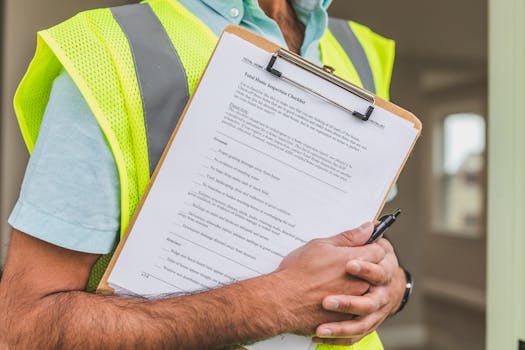 Photo: RDNE Stock project / Pexels
Decoding Property Tax Exemptions and Their Impact
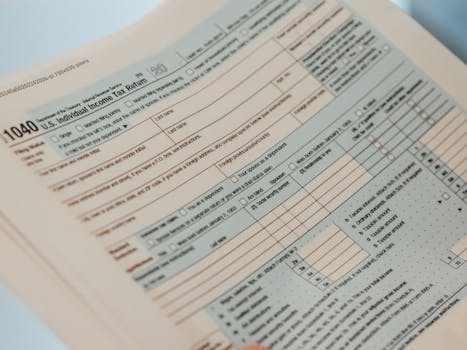 Photo: Kindel Media / Pexels
The Property Tax Appeal Process: Challenging Your Assessment
 Photo: Leeloo The First / Pexels
Common Pitfalls and Proactive Tips for NY Property Owners
 Photo: Nataliya Vaitkevich / Pexels
Comparison
| Feature | NYC Homeowner | Upstate NY Homeowner | Long Island Homeowner |
|---|---|---|---|
| Assessment Basis | Market Value (Class System) | Assessed Value (Often % of Market) | Assessed Value (Often % of Market) |
| Equalization Rates | N/A (NYC has its own system) | Applicable for county/school taxes | Applicable for county/school taxes |
| STAR Program | Eligible for credit | Eligible for exemption/credit | Eligible for exemption/credit |
| Grievance Day | Specific NYC deadlines (Jan/Mar) | Typically 4th Tuesday in May | Specific Nassau/Suffolk dates |
What Readers Say
"This guide was incredibly helpful for understanding property taxes in New York, especially the part about equalization rates. I finally feel confident enough to review my assessment and apply for the right exemptions."
Sarah J. · Albany, NY"As a new homeowner in NYC, the property tax system felt like a black box. This article broke down the assessment and appeal process clearly, making understanding property taxes in New York much less daunting."
David M. · Queens, NY"Thanks to the tips on exemptions, I discovered I was eligible for an Enhanced STAR exemption I hadn't known about. This saved me over $700 on my school taxes this year, truly invaluable information for understanding property taxes in New York."
Maria P. · Rochester, NY"The information on the appeal process was comprehensive, though I still found navigating the local assessor's office a bit tricky. This guide definitely provided a solid foundation for understanding property taxes in New York."
Tom L. · Suffolk County, NY"I used the advice from this article to prepare for my property assessment review, gathering comparables and understanding the taxable status date. It gave me the confidence to challenge a clearly inflated valuation."
Jessica R. · Buffalo, NYFrequently Asked Questions
What is the difference between market value and assessed value in New York?
Market value is the estimated price your property would sell for on the open market. Assessed value is the value that your local assessor assigns to your property for tax purposes. While ideally related, the assessed value is often a uniform percentage of market value (e.g., 100% or 50%), and it's this assessed value that your tax bill is calculated on.
Will my property taxes automatically decrease if my home's market value goes down?
Not automatically. While a decrease in market value can be grounds for an assessment reduction, your assessed value will generally remain the same unless your assessor initiates a revaluation or you successfully appeal your assessment. It's crucial to monitor your assessment and act if you believe it's too high relative to current market conditions.
How do I apply for the STAR exemption in New York?
If you are a new applicant for STAR, you must register with the New York State Department of Taxation and Finance. You can do this online or by phone. Once registered and verified, you will receive a STAR credit check directly from the state, rather than an exemption on your local tax bill. Existing STAR exemption recipients generally don't need to reapply unless they move or their eligibility changes.
Is it worth appealing my property tax assessment?
Yes, it can be very worthwhile. If you believe your property's assessed value is higher than its fair market value, or if it's assessed disproportionately compared to similar properties, a successful appeal can lead to a lower assessed value and thus a lower tax bill. Even a small reduction can save you thousands over several years. The process itself is often free or low-cost, making the potential savings significant.
How do New York City property taxes differ from the rest of the state?
New York City has a unique property tax system based on a classification system (Class 1-4) that determines how properties are assessed and taxed. For instance, Class 1 properties (1-3 family homes) are subject to assessment caps, limiting how much their assessed value can increase each year, regardless of market value changes. NYC also has its own assessment and appeal timelines and specific exemption programs, making it distinct from the statewide system.
Who should be actively understanding property taxes in New York?
Every property owner in New York State should be actively engaged in understanding property taxes in New York. This includes current homeowners, prospective buyers, real estate investors, and even tenants (as property taxes can indirectly impact rent). An informed owner can save money, ensure fairness, and protect their investment.
What are the risks if I ignore my property tax obligations?
Ignoring your property tax obligations in New York can lead to severe consequences, including late payment penalties, interest charges, and ultimately, a tax lien being placed on your property. In extreme cases of prolonged non-payment, the municipality can foreclose on your property, leading to its loss. It's crucial to pay your taxes on time or seek assistance if you face financial hardship.
How might future legislative changes impact property taxes in New York?
Future legislative changes could impact various aspects of property taxes, including assessment methodologies, the availability or structure of exemptions (like STAR), and limits on tax levy increases (the 'tax cap'). Staying informed through your local assessor's office, county government websites, and the NYS Department of Taxation and Finance is key to understanding potential future impacts on your tax burden.
Mastering the nuances of understanding property taxes in New York is key to protecting your investment and ensuring financial stability. Don't let confusion cost you; empower yourself with knowledge and proactive management. Start optimizing your property tax situation today!