✓ Real estate commissions are typically paid by the seller.
✓ The total commission rate usually ranges from 5% to 6% of the home's sale price.
✓ This total commission is split between the seller's agent and the buyer's agent.
✓ Commission rates are negotiable, not fixed by law or industry standards.
How It Works
1
Listing Agreement Signed
When a seller decides to list their home, they sign a listing agreement with a real estate agent. This contract specifies the total commission rate for the sale.
2
Property Listed & Marketed
The seller's agent (listing agent) then markets the property, often through the Multiple Listing Service (MLS), inviting buyer's agents to bring clients. The agreed-upon commission split is often advertised here.
3
Offer Accepted & Closing
Once a buyer's offer is accepted and the sale successfully closes, the commission is deducted from the sale proceeds. This happens at the closing table.
4
Commission Distribution
The total commission is then divided. The listing broker receives their share, and the buyer's broker receives their share. Each broker then pays their respective agents based on their independent agreements.
Understanding the Standard Real Estate Commission Structure
Photo: Alena Darmel / Pexels
When you hear about real estate agent commission, it's essential to understand that it's rarely a single, monolithic fee. Instead, it's typically a percentage of the home's final sale price, which is then divided between two separate real estate brokers: the listing broker (who represents the seller) and the buyer's broker (who represents the buyer). This division is a fundamental aspect of how real estate transactions are structured in the United States. While the total commission percentage can vary, a common range often falls between 5% and 6%. For instance, if a home sells for $400,000 with a 6% commission, the total commission paid would be $24,000. This $24,000 is then typically split, often 50/50, between the listing broker and the buyer's broker, meaning each would receive $12,000.
It's crucial to note that these percentages are not mandated by law or any professional organization; they are negotiable. The concept of a 'standard' commission is more a reflection of market norms and competitive practices within a specific region. Different markets and different levels of service can lead to variations in these rates. The listing agreement, signed by the seller and their agent, is the legally binding document that outlines this total commission percentage and how it will be distributed. This agreement also specifies the term of the listing, the agent's responsibilities, and the seller's obligations. Understanding this initial agreement is paramount, as it sets the financial framework for the entire sale.
The listing broker's share covers their agent's efforts in marketing the property, professional photography, staging advice, open houses, showing coordination, and managing offers. The buyer's broker's share compensates their agent for finding suitable properties, scheduling showings, assisting with offers, negotiating on the buyer's behalf, and guiding them through the closing process. Both agents play distinct, yet equally vital, roles in facilitating a successful transaction. The commission structure is designed to incentivize both parties to work diligently towards a sale. Furthermore, it's generally the seller who pays the entire commission out of the proceeds of the sale, which is then distributed to both the buyer's and seller's agents. This arrangement is historical and aims to ensure buyers don't face upfront costs for agent representation, thereby broadening the pool of potential buyers. However, it's a point of frequent discussion and occasional misunderstanding among first-time sellers. For more insights into the seller's journey, explore our article on seller closing costs.
This system ensures that both sides of the transaction have professional representation, theoretically leading to a smoother and more efficient process for all involved. The agents, in turn, are typically independent contractors working under a brokerage, and their personal compensation is a percentage of their broker's received commission. This internal split between agent and broker varies widely based on experience, production, and brokerage agreements. Therefore, when you negotiate commission, you are negotiating with the brokerage, not directly with the individual agent's take-home pay, although the agent's willingness to accept a lower rate will certainly be influenced by their personal financial goals and the services they provide. The value an agent brings, from market knowledge to negotiation skills, often justifies their commission.
Factors Influencing Real Estate Commission Rates
Photo: Thirdman / Pexels
While a 5-6% commission rate is often cited as typical, it's far from universal. Several key factors can influence what a real estate agent's commission ultimately looks like. Understanding these variables can empower both buyers and sellers to approach commission discussions with greater insight. One primary factor is the local market conditions. In a highly competitive seller's market, where homes sell quickly and with multiple offers, agents might be more willing to negotiate a slightly lower percentage, as their effort per sale could be less. Conversely, in a slow buyer's market, where properties sit longer and require more extensive marketing and showings, agents may be less inclined to reduce their rates due to the increased time and resources invested.
The type of property also plays a significant role. Luxury homes, for example, often command higher sale prices, leading to substantial commission amounts even at a slightly lower percentage. On the other hand, unique or niche properties that require specialized marketing might necessitate a higher commission to compensate for the agent's focused expertise and extended marketing efforts. The level of service provided by the agent is another crucial differentiator. A full-service agent offering comprehensive marketing, professional photography, staging consultation, open houses, and extensive negotiation support typically commands a higher commission than a limited-service or discount broker who might only list the property on the MLS and leave other responsibilities to the seller.
Agent experience and reputation are also powerful determinants. Highly experienced agents with a proven track record of successful sales, strong negotiation skills, and a robust network of contacts might justify a higher commission. Their expertise can often translate into a quicker sale or a higher sale price for the seller, effectively offsetting the commission cost. Conversely, newer agents might be more flexible with their rates to build their portfolio and gain experience. Furthermore, the overall value of the property directly impacts the commission. A 6% commission on a $200,000 home yields $12,000, while the same percentage on a $1,000,000 home yields $60,000. Agents might be more open to negotiation on higher-priced properties, as the absolute dollar amount of their commission is still substantial even with a slight percentage reduction.
Finally, the specific brokerage an agent works for can also have an indirect impact. Larger, national brokerages might have more standardized commission structures, while independent or boutique firms might offer more flexibility. Understanding these nuances allows sellers, especially, to weigh the benefits of a full-service agent versus a discount broker. While a lower commission might seem appealing upfront, a skilled agent who secures a higher sale price or a smoother transaction could ultimately save the seller more money and stress in the long run. It's not just about the percentage; it's about the net outcome.
Negotiating Real Estate Agent Commission Effectively
Photo: Thirdman / Pexels
The notion that real estate agent commissions are non-negotiable is a pervasive myth. In reality, commission rates are almost always open for discussion, and savvy sellers can often secure a more favorable arrangement. However, effective negotiation isn't about demanding a lower rate; it's about demonstrating value and understanding the agent's perspective. Before entering negotiations, research local market conditions and typical commission rates in your area. This background knowledge provides a solid foundation for your discussions. Consider interviewing multiple agents from different brokerages. This not only allows you to compare their proposed marketing strategies and service levels but also gives you leverage in commission talks. If one agent offers superior service at a slightly higher rate, another might be willing to match their service level or slightly lower their rate to win your business.
When you do negotiate, focus on the total commission and the split. While 50/50 is common, you might inquire if the listing agent is willing to take a slightly smaller share to offer a more attractive buyer's agent commission, thereby potentially drawing more buyer interest. Another strategy is to offer a tiered commission structure. For example, you might propose a lower commission if the home sells above a certain price point or within a very short timeframe, incentivizing the agent to work even harder for a quick and profitable sale. Conversely, if you plan to play a more active role in the selling process, perhaps by conducting some open houses yourself or handling professional photography, you might negotiate a reduction based on your contribution. However, be realistic about your capabilities and the time commitment involved.
Highlighting any unique selling points of your property that might make it easier to sell, such as being in a highly desirable neighborhood, having recent significant upgrades, or being priced aggressively, can also serve as a basis for negotiation. Agents might be more amenable to a lower rate if they perceive the property as an easy sell. Always get any agreed-upon commission rate in writing in the listing agreement. This legal document should clearly state the total commission percentage and the agreed-upon split between the listing and buyer's brokers. Don't be afraid to ask for clarity on any clauses or fees. Remember, a lower commission isn't always the best deal if it comes at the cost of inferior marketing or a less experienced agent who struggles to sell your home at its full potential. The goal is to find a balance between a fair commission and exceptional service that leads to the best possible outcome for your sale. For further reading on making smart real estate decisions, check out our guide on choosing the right real estate agent.
Finally, consider the agent's motivation. If they are confident they can sell your home quickly and efficiently, they might be more flexible. A good agent understands that a slightly reduced commission on a successful sale is better than no commission on a property that lingers on the market. Building a good rapport and clearly communicating your expectations and understanding of their value can lead to a mutually beneficial agreement.
Alternative Commission Models and Common Mistakes to Avoid
Photo: Thirdman / Pexels
Beyond the traditional percentage-based commission, several alternative models have emerged in the real estate industry, offering sellers more flexibility. Understanding these can help you choose the best fit for your situation. One popular alternative is the flat-fee MLS listing. In this model, sellers pay a flat fee to have their property listed on the Multiple Listing Service (MLS), typically used by real estate agents, without retaining a full-service agent. This means the seller handles all other aspects of the sale, from showings to negotiations. While this can significantly reduce costs, it requires a high degree of self-reliance and knowledge of the selling process. Another option is a commission-free sale, often referred to as 'For Sale By Owner' (FSBO). Here, the seller takes on all responsibilities, including marketing, showing, and legal documentation, avoiding all agent commissions entirely. However, FSBO homes often sell for less than agent-represented homes, and the process can be complex and time-consuming.
Hybrid models are also gaining traction, where agents offer a menu of services. Sellers can choose specific services they need, such as marketing assistance or contract review, paying for each individually or opting for a reduced commission rate for a partial service package. These models cater to sellers who want some professional assistance without the full cost of a traditional agent. Discount brokers are another alternative, offering lower commission rates (e.g., 1-2% for the listing agent) but often with reduced services compared to full-service agents. It's crucial to understand what is included and excluded before committing to a discount broker.
When navigating commission structures, there are several common mistakes to avoid. Firstly, never assume commission rates are fixed. Always be prepared to negotiate. Secondly, don't solely focus on the lowest commission rate. A cheap agent who fails to market your home effectively or negotiate skillfully could end up costing you more in the long run through a lower sale price or prolonged market time. Value and service should be prioritized alongside cost. Thirdly, neglecting to read the listing agreement thoroughly is a critical error. This document outlines the commission, terms, and conditions; ensure you understand every detail before signing. Fourthly, failing to interview multiple agents means you might miss out on a better agent, a better marketing plan, or a more favorable commission rate. Lastly, misunderstanding who pays the commission can lead to surprises. While the seller typically funds the entire commission, it is often seen as a cost of doing business to ensure both sides are represented, which ultimately benefits the seller by attracting more buyers. Being informed about these alternatives and pitfalls allows sellers to make strategic decisions that align with their financial goals and comfort level.
Comparison
Feature
Full-Service Agent
Discount Broker
Flat-Fee MLS
For Sale By Owner (FSBO)
Commission Rate (Seller Side)
2.5-3.5% (to listing agent)
1-2% (to listing agent)
Flat fee ($300-$1000)
0% (no listing agent)
Buyer Agent Commission
2.5-3.5% (paid by seller)
2.5-3.5% (paid by seller)
2.5-3.5% (optional, paid by seller)
0% (optional, paid by seller)
Marketing & Staging
✓ Comprehensive
✗ Limited
✗ None
✗ None
Negotiation Expertise
✓ Expert
✓ Moderate
✗ None
✗ None
Paperwork & Legal Support
✓ Full Guidance
✓ Limited Guidance
✗ None
✗ None
Time & Effort Required (Seller)
Low
Moderate
High
Very High
Potential Sale Price
High
Medium-High
Medium
Medium-Low
What Readers Say
★★★★★
"Understanding what is a real estate agent's commission made me feel so much more in control of selling my home. I was able to negotiate a fair rate with my agent, which saved me thousands at closing."
Sarah J. · Austin, TX
★★★★★
"This guide clarified how the commission split works between agents. It helped me appreciate the value both the buyer's and seller's agents bring to the table."
Mark D. · Seattle, WA
★★★★★
"After reading this, I confidently negotiated my agent's commission down by 0.5%, which translated to over $2,500 in savings on my condo sale. Highly recommend this article for sellers!"
Emily R. · Miami, FL
★★★★★
"While I still ended up paying the standard commission, this article gave me a much clearer understanding of where my money was going and the services I was paying for. It made the process less opaque."
David L. · Denver, CO
★★★★★
"As a first-time homebuyer, I was confused about commissions. This explained that I typically don't pay the commission directly, which was a huge relief and helped me budget for other closing costs."
Jessica T. · Chicago, IL
Frequently Asked Questions
What is the average real estate agent commission in the US?
The average real estate agent commission in the US typically ranges from 5% to 6% of the home's final sale price. This total percentage is usually split between the listing agent's brokerage and the buyer's agent's brokerage, often around 2.5% to 3% for each side. However, these rates are not fixed and can vary by market and negotiation.
Does the buyer or seller pay the real estate agent's commission?
Historically and in most cases, the seller pays the entire real estate agent's commission out of the proceeds from the home sale. This commission is then split between the seller's agent's brokerage and the buyer's agent's brokerage. Buyers typically do not pay agent commissions directly, though it's an indirect cost factored into the home's price.
Can I negotiate a real estate agent's commission?
Yes, real estate agent commissions are absolutely negotiable. While there are common ranges, agents and brokerages are often willing to discuss rates, especially in competitive markets or for properties that are easy to sell. It's recommended to interview multiple agents and come prepared with market research to negotiate effectively.
What services do I get for a real estate agent's commission?
For their commission, a full-service seller's agent typically provides market analysis, pricing strategy, professional photography, staging advice, marketing (MLS, online, print), showing coordination, negotiation of offers, and guidance through the closing process. A buyer's agent helps find suitable properties, schedules showings, assists with offers, negotiates on the buyer's behalf, and navigates inspections and closing.
Are there alternatives to paying a full real estate agent commission?
Yes, there are alternatives. These include flat-fee MLS listing services, where you pay a set fee to get your home on the MLS but handle other aspects yourself; discount brokers, who offer lower commission rates for reduced services; and For Sale By Owner (FSBO), where you sell your home entirely on your own without any agent involvement, saving all commission costs but requiring significant effort and expertise.
Who should consider negotiating what is a real estate agent's commission?
Both sellers and buyers can consider negotiating aspects of commission, though it primarily impacts sellers. Sellers should negotiate if they have a highly desirable property, are in a strong seller's market, are willing to take on some selling tasks themselves, or are working with an agent who offers a flexible service model. Buyers might indirectly negotiate through their agent's compensation if their agent is willing to accept a reduced split.
What are the risks of choosing a low-commission or discount agent?
While attractive, choosing a low-commission or discount agent can carry risks. These may include less comprehensive marketing, fewer services (e.g., no staging advice, less professional photography), less experienced negotiation, or slower communication. Ultimately, these factors could lead to a lower sale price for your home or a longer time on the market, potentially offsetting any commission savings.
How might technology impact real estate agent commissions in the future?
Technology is likely to continue impacting real estate agent commissions by increasing transparency and efficiency. Online platforms and AI tools can streamline parts of the selling process, potentially leading to more hybrid models, lower commission options, or a greater emphasis on agents providing high-value, personalized services that technology cannot replicate. The industry is constantly evolving with new models emerging.
Understanding what is a real estate agent's commission is your first step towards a smarter, more confident property transaction. Empower yourself with knowledge to negotiate effectively and ensure you're getting the best value for your investment in real estate services.
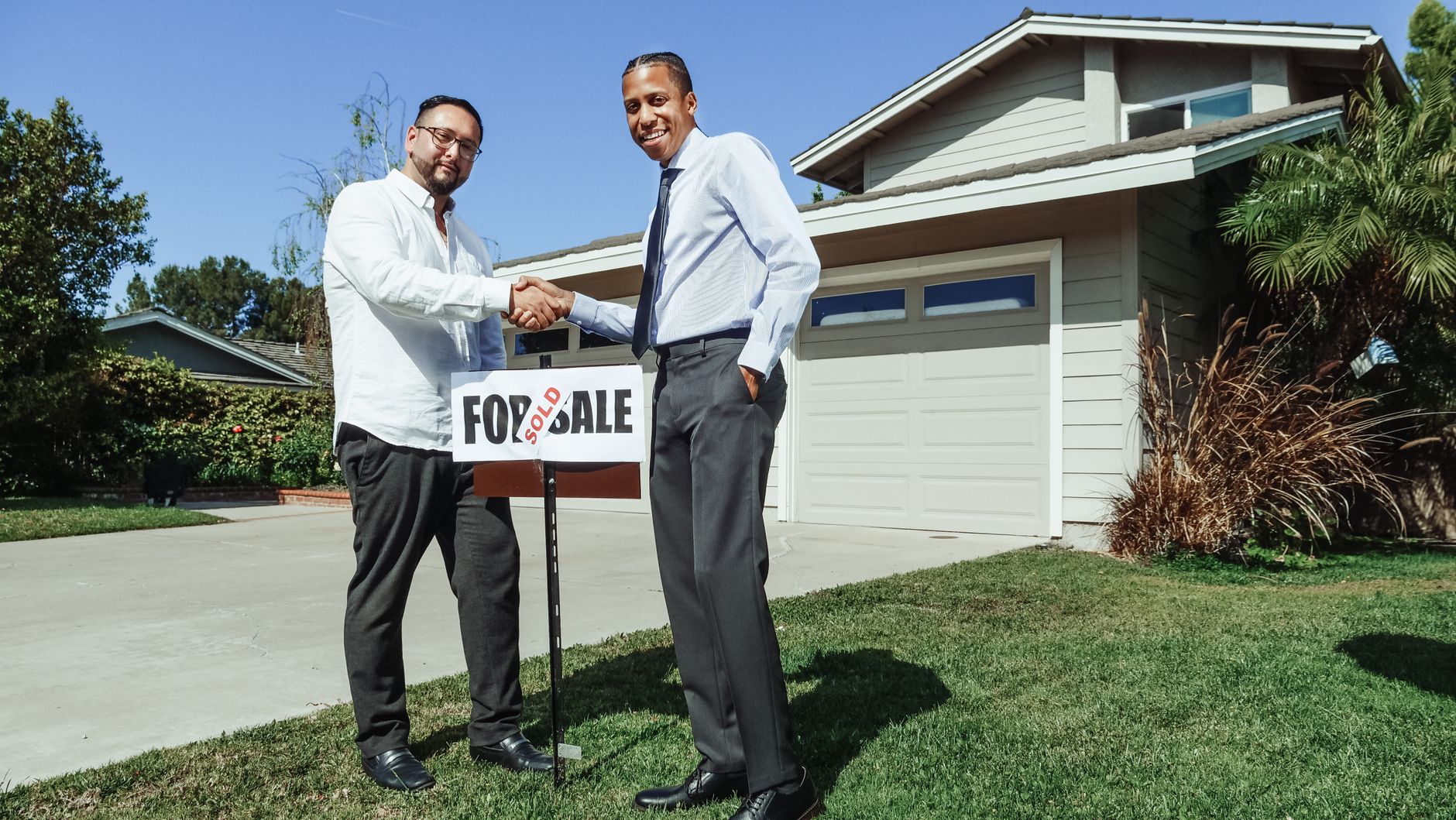
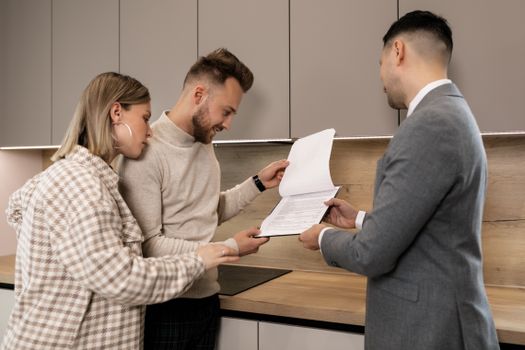 Photo: Alena Darmel / Pexels
 Photo: Thirdman / Pexels
 Photo: Thirdman / Pexels
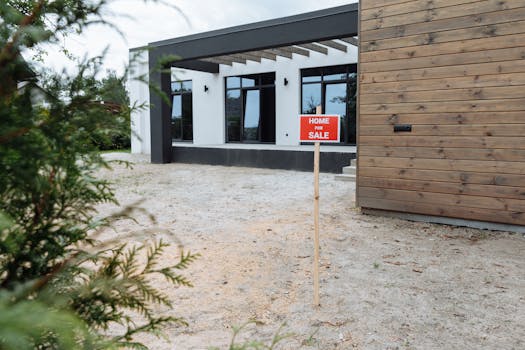 Photo: Thirdman / Pexels