
What is Earnest Money Deposit Real Estate? Your Essential Guide
Secure your dream home with confidence by understanding the ins and outs of earnest money deposits in real estate.
Learn More NowKey Takeaways
- ✓ Earnest money is a good faith deposit showing commitment.
- ✓ It typically ranges from 1% to 3% of the home's purchase price.
- ✓ The funds are held in an escrow account, not by the seller directly.
- ✓ Contingencies protect your earnest money from forfeiture.
How It Works
Once your offer is accepted, you'll typically have 1-3 business days to submit your earnest money deposit. This initiates the formal transaction process.
The earnest money is placed into a neutral third-party escrow account, usually managed by a title company or attorney. This ensures its safety until closing.
During this phase, inspections, appraisals, and financing approvals occur. If a valid contingency allows, you can withdraw your offer and potentially reclaim your deposit.
At closing, if the sale proceeds, your earnest money is applied towards your down payment or closing costs. If the deal falls through without valid contingencies, the seller may keep it.
Understanding the Core Purpose of Earnest Money in Real Estate
 Photo: Kindel Media / Pexels
How Earnest Money Protects Both Buyers and Sellers
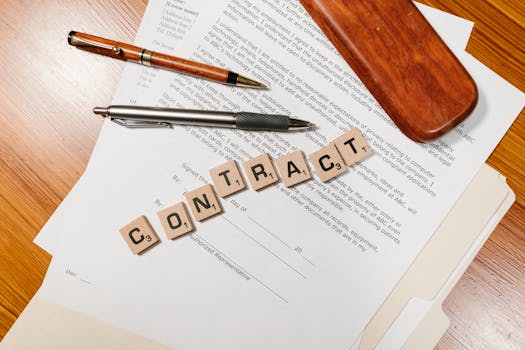 Photo: RDNE Stock project / Pexels
Navigating the Earnest Money Process: From Offer to Closing
Common Pitfalls and Best Practices for Earnest Money Deposits
- Pitfall 1: Missing Contingency Deadlines: This is perhaps the most common reason buyers lose their earnest money. Each contingency (inspection, appraisal, financing) has a specific timeframe. Failing to act within these deadlines – whether by not conducting an inspection, not securing financing, or not formally requesting repairs – can mean you waive your right to terminate the contract based on that contingency.
- Pitfall 2: Not Understanding Contingency Language: The wording of contingencies in the purchase agreement is critical. A loosely worded contingency might not offer the protection you assume. For example, a financing contingency might require you to apply for a loan but not necessarily get one, making it harder to recover your EMD if denied.
- Pitfall 3: Backing Out Without a Valid Reason: Simply changing your mind or finding another property after all contingencies have been removed or expired will almost certainly result in the forfeiture of your earnest money. The EMD is a commitment, not a refundable option fee for indecision.
- Pitfall 4: Submitting Insufficient Earnest Money: While not directly leading to forfeiture, a low EMD might make your offer less attractive to a seller, especially in a competitive market. It might signal a lack of serious intent compared to other offers.
- Pitfall 5: Wiring Money to the Wrong Account: This is a severe and growing problem. Scammers often intercept emails and provide fraudulent wire instructions. Always verify wire transfer details directly with the escrow company or attorney via a confirmed phone number, not through email.
To mitigate these risks, here are some essential best practices:
- Best Practice 1: Work with an Experienced Real Estate Agent: A knowledgeable agent can guide you through the contract, explain each contingency, keep track of deadlines, and advise you on appropriate earnest money amounts.
- Best Practice 2: Understand Your Contract Thoroughly: Before signing, read every word of the purchase agreement, especially sections related to earnest money, contingencies, and default clauses. Don't hesitate to ask your agent or an attorney for clarification.
- Best Practice 3: Act Promptly on Contingencies: As soon as your offer is accepted, schedule inspections, apply for financing, and ensure all necessary steps are taken within the specified timeframes. Proactive engagement protects your interests.
- Best Practice 4: Secure Financing Pre-Approval: Getting a solid pre-approval letter before making an offer strengthens your position and helps ensure that your financing contingency is likely to be met.
- Best Practice 5: Choose a Reputable Escrow Agent: Ensure the earnest money is held by a licensed, neutral third party. Verify their credentials and follow their instructions carefully for deposit.
- Best Practice 6: Keep Detailed Records: Retain copies of all signed documents, deposit receipts, communications, and any amendments to the contract. These records are vital in case of a dispute.
- Best Practice 7: Consider Legal Counsel: For complex transactions or if you have specific concerns, consulting with a real estate attorney can provide an extra layer of protection and clarity.
By understanding these pitfalls and implementing best practices, both buyers and sellers can navigate the earnest money process with greater confidence and minimize the potential for costly disputes. It's about being informed and diligent throughout the entire real estate transaction.
Comparison
| Feature | Earnest Money Deposit | Down Payment | Option Fee | Security Deposit (Rental) |
|---|---|---|---|---|
| Purpose | Show commitment to buy | Portion of purchase price | Right to purchase or terminate | Cover damages/unpaid rent |
| Timing | After offer acceptance | At closing | Upfront, with offer | Before move-in |
| Refundable (Conditional) | ✓ | N/A (already applied) | ✗ (typically non-refundable) | ✓ |
| Applied to Purchase | ✓ (at closing) | ✓ | ✗ (usually not) | ✗ |
| Held By | Escrow Agent | Lender/Seller (at closing) | Seller | Landlord |
What Readers Say
"This article clearly explained what is earnest money deposit real estate. I was so confused before, but now I understand how it protects me as a buyer and what to look out for. Excellent resource!"
Sarah J. · Austin, TX"As a first-time homebuyer, the concept of earnest money was daunting. This guide broke down the process step-by-step, making it much easier to grasp and reducing my anxiety about securing my offer."
Mark T. · Orlando, FL"Following the advice in this guide, I ensured all my contingencies were clearly written and met deadlines. Thanks to this, I successfully recovered my earnest money when my loan fell through, saving me thousands!"
Elena R. · Seattle, WA"The information on common pitfalls was particularly helpful. I nearly missed a contingency deadline, but this article reminded me to double-check everything with my agent. Very thorough, though a bit dense at times."
David L. · Chicago, IL"Even as a seller, understanding what is earnest money deposit real estate from the buyer's perspective was invaluable. It helped me appreciate why some offers were stronger than others and how to structure my counter-offers."
Jessica M. · Denver, COFrequently Asked Questions
What is the typical amount for an earnest money deposit in real estate?
The typical earnest money deposit ranges from 1% to 3% of the home's purchase price. However, this can vary based on local market conditions, the specific property, and the competitiveness of the offer. In some very hot markets, buyers might offer more to make their bid more attractive.
Can I lose my earnest money deposit?
Yes, you can lose your earnest money deposit if you back out of a purchase agreement without a valid reason covered by a contingency in your contract. If you fail to meet a contractual obligation or simply change your mind after contingencies have expired, the seller typically has the right to keep the deposit.
How do I pay the earnest money deposit?
Earnest money is typically paid by personal check, cashier's check, or wire transfer. It is crucial to make the payment directly to the escrow agent, title company, or real estate attorney, never directly to the seller or a real estate agent's personal account, to prevent fraud and ensure proper handling.
Is earnest money the same as a down payment?
No, earnest money is not the same as a down payment. Earnest money is an initial 'good faith' deposit made to show commitment to the offer. At closing, if the sale goes through, the earnest money is usually applied towards your down payment or closing costs, effectively becoming a part of your overall funds for the purchase.
What happens to my earnest money if the deal falls through due to a contingency?
If the deal falls through due to a valid contingency (like a failed inspection, low appraisal, or inability to secure financing) and you follow the contract's terms and deadlines, your earnest money deposit should be fully refunded to you. The escrow agent will release the funds according to the termination agreement.
Who should use what is earnest money deposit real estate?
Every buyer making an offer on a home in the United States will typically encounter and utilize an earnest money deposit. It's a standard practice in real estate transactions for both buyers to demonstrate commitment and for sellers to have assurance that the offer is serious.
How safe is my earnest money deposit?
Your earnest money deposit is generally very safe when handled correctly. It is held in a neutral third-party escrow account by a licensed and regulated entity (like a title company or attorney). This ensures the funds are protected and only released according to the terms of the legally binding purchase agreement, safeguarding against unilateral withdrawal by either party.
Are earnest money deposits likely to change in the future?
While the fundamental concept of earnest money as a show of good faith is unlikely to change, its practical application might evolve. We could see increasing use of digital payment methods, stricter regulations around wire transfer verification due to fraud, and potentially higher deposit amounts in extremely competitive markets as a way for buyers to strengthen their offers.
Understanding what is earnest money deposit real estate is not just about a financial transaction; it's about navigating one of life's most significant investments with confidence. By grasping its purpose, protections, and pitfalls, you empower yourself to make informed decisions and secure your dream home. Don't let uncertainty derail your homeownership journey – equip yourself with knowledge and proceed with peace of mind.